Why Startups.com Reviews Matter for Your Business Decision
You’re about to drop serious cash on what looks like an incredible lifetime deal. But here’s what nobody tells you: those flashy discount timers and “limited spots remaining” alerts? They’re designed to make you click “buy” before you’ve done your homework. That’s where honest startups reviews become your safety net. We’ve spent weeks digging through real user feedback, comparing tier structures, and uncovering costs that aren’t listed on the sales page. Unlike typical reviews that regurgitate marketing copy, we’ll show you exactly what you’re getting (and what you’re not). Whether you’re bootstrapping like our LaunchCart Review audience or scaling fast, making the wrong software choice now costs more than just money—it costs momentum.
What Startups.com Actually Offers: Breaking Down the Platform
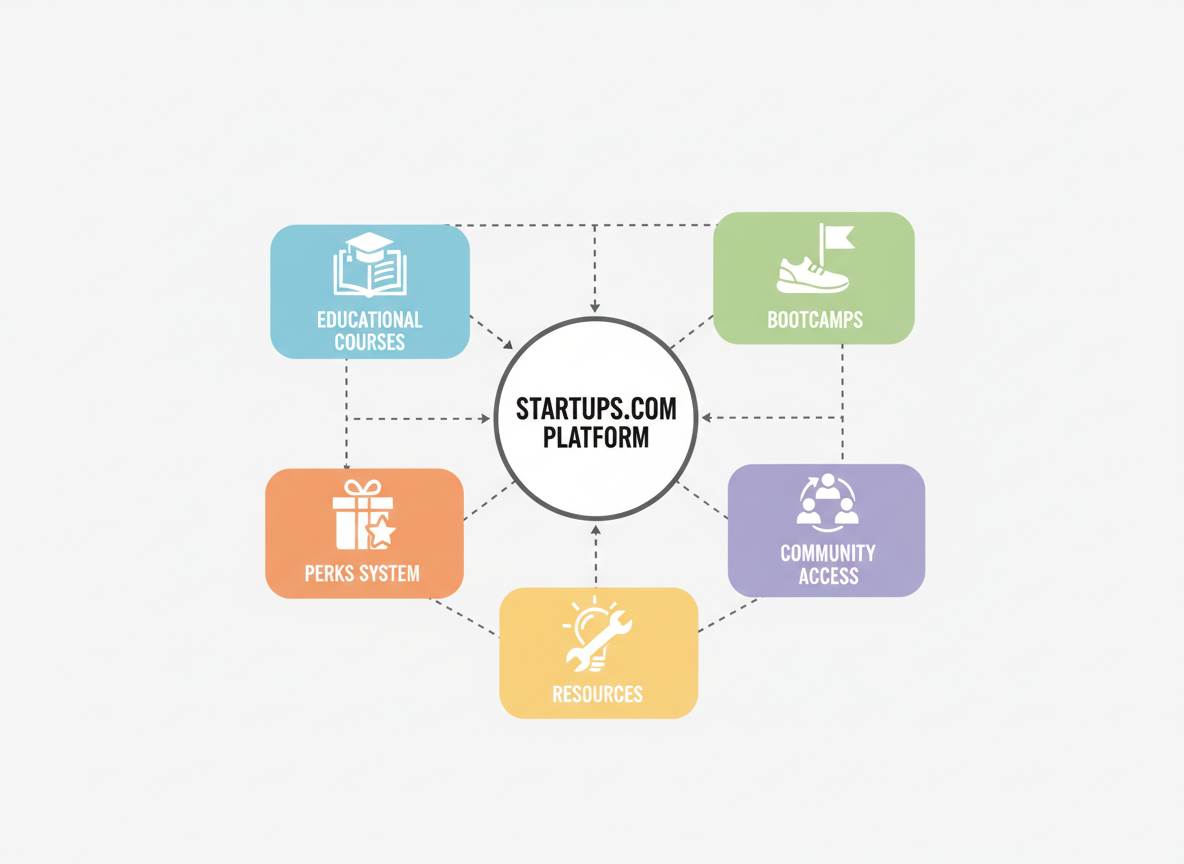
Startups.com bills itself as an education hub for founders, and honestly, there’s quite a bit here. You’ll find their flagship Idea Validation Bootcamp, which walks you through testing your concept before you waste time and money building. They’ve also got courses on fundraising, marketing, and scaling—basically the stuff most founders learn through painful trial and error.
The platform operates on tiered access. Free members get some articles and resources, but the real meat sits behind the paid tier. That’s where you unlock bootcamps, templates, and their perks marketplace (we’ll get to why that’s controversial in a minute).
Speaking of perks, Startups.com offers discounts on tools like AWS credits, design software, and marketing platforms. Sounds great, right? Here’s the catch users mention: many of these deals require specific qualifying criteria or minimum spending levels that aren’t immediately obvious. Much like evaluating any marketing tool (including specialized platforms in the SEO space), you need to read the fine print carefully.
The platform positions itself for early-stage founders—people validating ideas or just getting started. If you’re already running a profitable business, you’ll likely find the content too basic.
Lifetime Deal vs Paid Tiers: The Complete Comparison
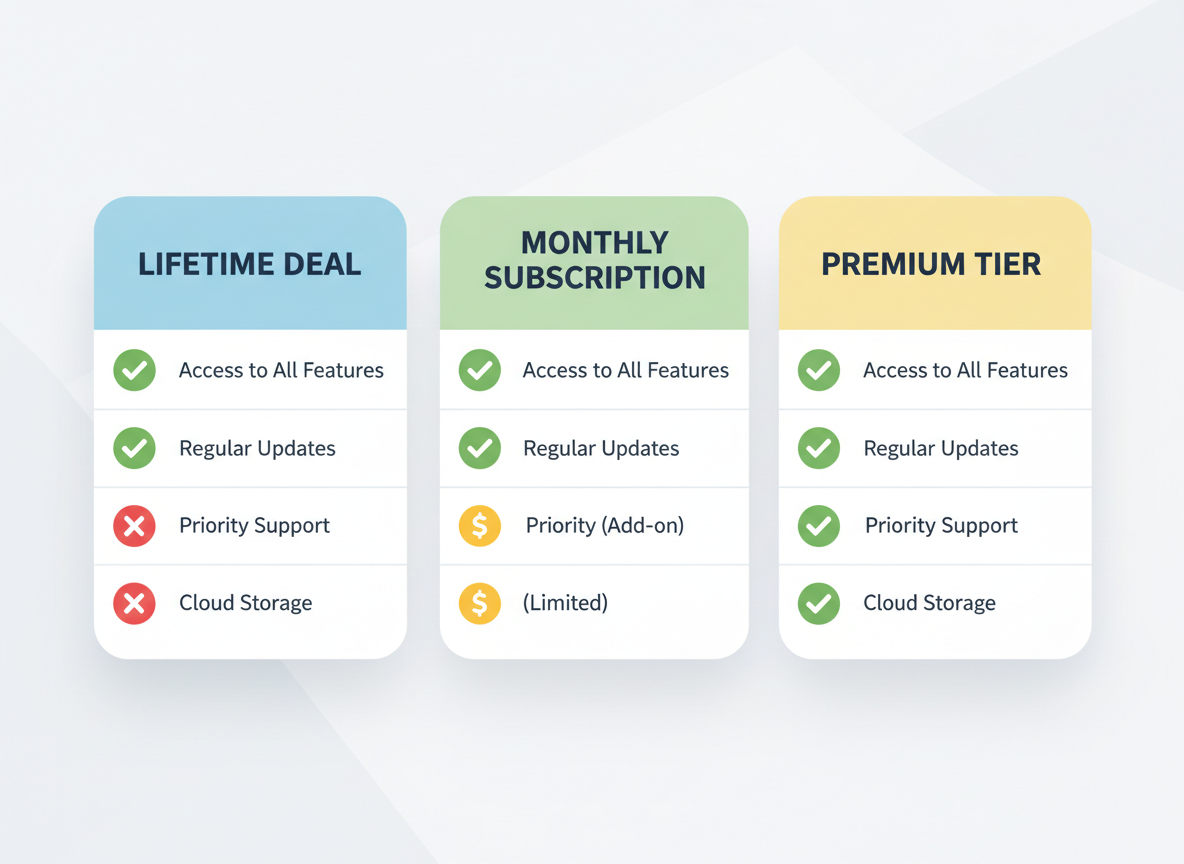
Here’s what catches most people off guard: that shiny AppSumo lifetime deal for Startups rarely tells the whole story upfront. The base tier gets you content generation and basic templates, but you’ll hit paywalls fast. Monthly subscribers at $49 access AI-powered analytics that lifetime users don’t get automatically. Premium tiers ($99+/month) unlock team collaboration and advanced scheduling features—things many buyers assumed came standard!
Real users discovered hidden upgrade requirements after purchase. One reviewer needed the $199 “Creator Pack” add-on just to remove watermarks from exported content. Another paid an extra $147 for API access that’s included in standard paid plans. Your total investment calculation? That “$69 lifetime deal” can balloon to $400+ once you add necessary features. Compare this to similar tools like Sterling Stock Picker, which faces similar upgrade scrutiny. The matrix below shows what you’re actually getting versus what you’ll eventually need to buy!
Real User Reviews: The Good, The Bad & The Ugly Truth
When you dig into real startups reviews across Reddit, Trustpilot, and Facebook groups, a pattern emerges. Users rave about the educational content quality—particularly the bootcamps and founder interviews that deliver actionable insights you can implement immediately! The $5 Friday deals genuinely excite people who score premium courses at ridiculous discounts.
But here’s where it gets messy. Access issues frustrate members constantly, with some perks mysteriously not working or requiring upgrades nobody mentioned upfront. Several reviewers mention feeling pressured to purchase add-ons beyond their initial membership. It’s similar to transparency concerns we’ve seen with other platforms (like email marketing tools that promise the world but deliver something different).
The educational content itself? Legitimately valuable for early-stage founders. The community support and networking opportunities consistently get praise. The downside? You’ll need patience navigating technical glitches and managing expectations around what’s actually included versus what costs extra. Real founders report mixed experiences—some call it their best investment, others feel nickel-and-dimed.
Pros and Cons: Is Startups.com Worth It for YOUR Startup Stage?
The Good Stuff:
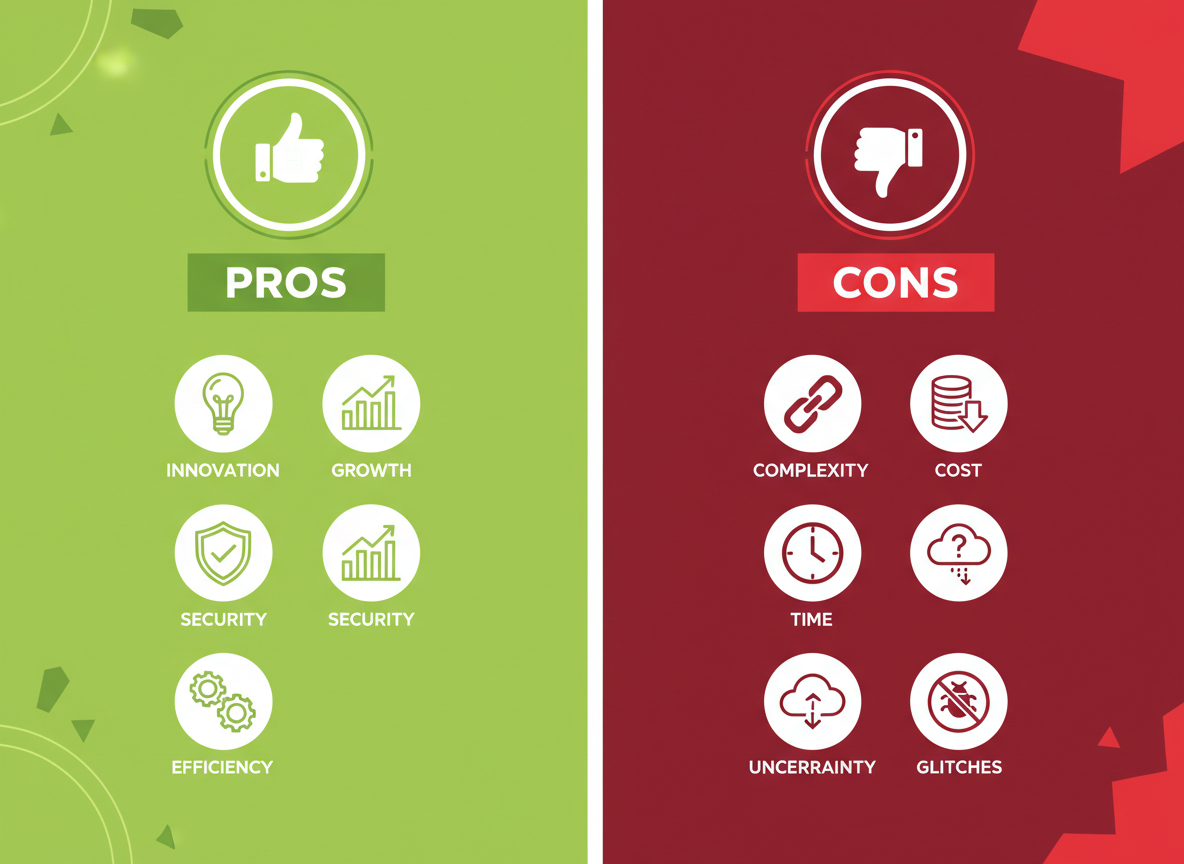
Startups.com delivers quality founder education that cuts through the noise. You’ll find a diverse course library covering everything from fundraising to product-market fit, plus access to a genuine founder community where people actually help each other. The platform feels less like a course mill and more like a founder’s resource hub.
The Reality Check:
Here’s where things get tricky. Lifetime deal perks come with limited access compared to what you see in marketing materials. Some valuable perks require tier upgrades, and you might discover accessibility issues when you try claiming certain benefits. It’s not quite the all-access pass some founders expect.
ROI by Startup Stage:
Idea Stage: You’ll benefit most from foundational courses and community connections. The educational value alone justifies the cost if you’re serious about learning startup fundamentals. However, many advanced perks won’t matter yet since you’re not ready to scale.
Early Stage: This is your sweet spot! You can leverage courses, community, and practical perks while building your marketing infrastructure. Tools like the LeadLabs Review 2026 integrate well with what you’re learning here about customer acquisition.
Growth Stage: The platform might feel limiting. You’ve outgrown basic education, and the perks won’t significantly impact your bottom line. Consider whether you need networking more than courses.
Who Benefits Most:
First-time founders hungry for knowledge and connections get incredible value. Bootstrap entrepreneurs working on tight budgets appreciate the resource consolidation. Solopreneurs who need accountability and community support thrive here.
Who Should Look Elsewhere:
Experienced founders with multiple exits probably won’t find enough advanced content. Teams needing enterprise-level tools will hit limitations quickly. Anyone expecting every advertised perk without reading fine print will face disappointment.
Budget Reality:
At the deal price, it’s reasonable if you’ll actually use the education. Compare it to one business course ($200-500) or a month of networking events. If you’re spending money on founder resources anyway, consolidating makes sense. If you’re stretched thin, prioritize tools that directly generate revenue first.
How Startups.com Compares to Alternative Platforms
When searching for startups reviews, you’ll find dozens of platforms promising entrepreneurial success. Here’s what sets different options apart.
Startups.com shines brightest for education-hungry founders. Their curriculum depth beats most competitors, and the community engagement creates real networking opportunities. You’re paying for structured learning paths that guide you from idea validation through scaling.
But let’s talk tools. That’s where things get interesting!
If you need marketing software without the premium price tags, 5 Dollar Friday delivers something completely different. While Startups.com teaches you theory, 5 Dollar Friday hands you the actual tools every Friday. We’re talking email platforms, design software, SEO analyzers, and social media schedulers—everything you’d otherwise spend hundreds on monthly.
The comparison isn’t really apples-to-apples. Think of it this way: Startups.com is your business school. 5 Dollar Friday is your discounted supply store!
For bootstrapped founders, the decision hinges on your immediate needs. Need courses, mentorship, and structured guidance? Education platforms make sense. Already know what you’re doing but can’t afford the software stack? That’s where tool marketplaces like 5 Dollar Friday become absolute game-savers.
Consider mixing both approaches. Learn from educational platforms during your planning phase, then grab your execution tools from budget-friendly sources.
You might also explore link management solutions like Switchy for specific marketing needs. Different tools serve different purposes—there’s no one-size-fits-all solution.
Your primary goal determines your best platform. Just remember: spending $500/month on courses won’t help if you can’t afford the $200/month in tools you actually need to execute!
Final Verdict: Should You Buy Startups.com in 2026?
Here’s the bottom line: Startups.com works brilliantly if you’ve got the budget and need enterprise-level features. But let’s be honest—most startups don’t.
Who should buy: Established companies with $5K+ monthly marketing budgets seeking comprehensive business infrastructure.
Who should wait: Early-stage founders still validating their business model or testing market fit.
Who should skip: Bootstrap entrepreneurs who need immediate ROI from every dollar spent.
Instead, check out weekly deals at 5 Dollar Friday where you’ll grab professional marketing tools for just $5! This week’s rotating selection means you can build your entire marketing stack affordably. Need advertising automation? Our Adscook review shows how you can automate Facebook and Instagram ads without breaking the bank. Why pay premium prices when you can access game-changing tools weekly for pocket change? Your startup deserves professional resources that won’t drain your runway!
Frequently Asked Questions (FAQ)
Is the Startups.com lifetime deal really lifetime access?
Yes, but here’s the catch—you get lifetime access to the current platform and resources available at purchase. New bootcamps, courses, or premium content released after your purchase often require separate payments. Think of it as lifetime access to the foundation, not necessarily everything built on top of it.
What perks are actually accessible with the AppSumo deal?
The AppSumo deal typically includes access to existing educational content, community features, and some discounts on partner services. However, many of the “500+ perks” require verification as an active startup or have additional requirements. You’re not getting instant access to everything—it’s more like membership that unlocks potential deals.
Do I need to pay for upgrades to access most content?
Unfortunately, yes. While you’ll get decent foundational content, many specialized bootcamps and advanced courses require separate purchases ranging from $99 to several hundred dollars. The lifetime deal opens the door, but you’ll likely need your wallet for premium rooms.
How does Startups.com compare to free startup resources?
Startups.com offers more structured content than free resources scattered across YouTube or blogs. You’ll find organized courses and a supportive community. However, considering the hidden costs, you could combine free resources like Y Combinator’s startup school with one specific paid course and possibly come out ahead. If you’re hunting for comprehensive tool reviews that don’t hide the fine print, check out our Stacks Reviews for honest feedback on productivity tools!
What’s the refund policy if I’m not satisfied?
AppSumo typically offers a 60-day money-back guarantee on their deals, which gives you breathing room to explore the platform. Just make sure you actually test the features within that window—don’t let it sit unused and discover limitations after the refund period expires.
Can I access all bootcamps with the lifetime deal?
No. The lifetime deal includes select foundational bootcamps, but many specialized programs require additional purchases. This is one of the most common complaints in startups reviews—people expected “all-access” and got “some-access” instead.
Is Startups.com worth it for solopreneurs vs agencies?
Solopreneurs might find better value since they can personally consume the educational content. Agencies typically need scalable resources or client-facing tools, which Startups.com doesn’t really provide. If you’re a solo founder wearing all the hats, the community and courses could help. If you’re running a team, you’ll probably outgrow this quickly and need more robust solutions.
Leave a Reply